
Chefchaouen—nestled in the Rif Mountains—is known for its serene blue-painted alleys, friendly pace, and photogenic corners at every turn. If you’re considering a visit, this guide covers essentials to help you plan smoothly and make the most of your time.
Why go
Distinctive blue medina with calm, walkable lanes and postcard-perfect doorways.
Mountain air, relaxed rhythm, and a welcoming, small-town feel.
Easy add-on to a broader Morocco itinerary (Tangier, Tetouan, Fes).
When to visit
Spring (March–May): Mild temperatures, abundant daylight, fresh mountain air.
Autumn (September–November): Comfortable weather and softer light—great for photography.
Summer: Lively but can be hot; plan early morning and late afternoon exploring.
Winter: Quiet and cool; pack layers for chilly evenings.
How long to stay
Ideal: 1.5–2 full days to wander the medina, enjoy views, and visit nearby nature spots.
Short visit: An overnight stop covers highlights but feels rushed.
Extended: 3+ days if you want day trips (Akchour, Talassemtane National Park) or slower travel.
Getting there
From Tangier or Tetouan: Common jump-off points by bus, grand taxi (shared), or private car. Roads are scenic and winding—allow extra time.
From Fes: Longer but feasible; many travelers include Chefchaouen between northern and central Morocco routes.
Tip: If you get motion sickness, consider breaks along the way and carry water/snacks.
Where to stay
Inside the medina: Riad-style guesthouses put you close to blue lanes and evening ambiance.
Just outside the medina: Easier vehicle access and sometimes larger rooms or modern amenities.
What to look for: Rooftop terraces for sunrise/sunset views, breakfast included, heating for winter, or fans/AC for summer.
Booking tip: Small properties fill quickly in peak seasons—book ahead if dates are fixed.
What to pack
Comfortable, grippy walking shoes (for slopes and stairs).
Light layers: Days can be warm; nights cool, especially in winter.
Modest clothing (shoulders/knees covered is respectful, particularly outside tourist areas.
Reusable water bottle; sun protection (hat, sunglasses, sunscreen).
Portable power bank; universal adapter.
Cash (small bills for cafés and artisan shops).
Connectivity and money
ATMs exist, but you may need limited carry enough cash for daily expenses.
Cards may be accepted at some hotels and larger restaurants; small vendors often prefer cash.
SIM cards are easier to purchase/activate in larger cities (Tangier, Tetouan, Fes); reception in Chefchaouen is generally fine in town.
Safety and etiquette
Chefchaouen feels calm and friendly; standard travel awareness applies.
Greetings: A simple “Salam” is appreciated. Ask permission before photographing people.
Dress modestly, especially away from central lanes and on hikes.
Fridays have a quieter rhythm—some shops may open later or close earlier.
Top sights and experiences
Plaza Uta el-Hammam: The social heart for mint tea, people-watching, and café breaks.
Kasbah: Compact fortress with gardens and a small museum; climb the tower for medina views.
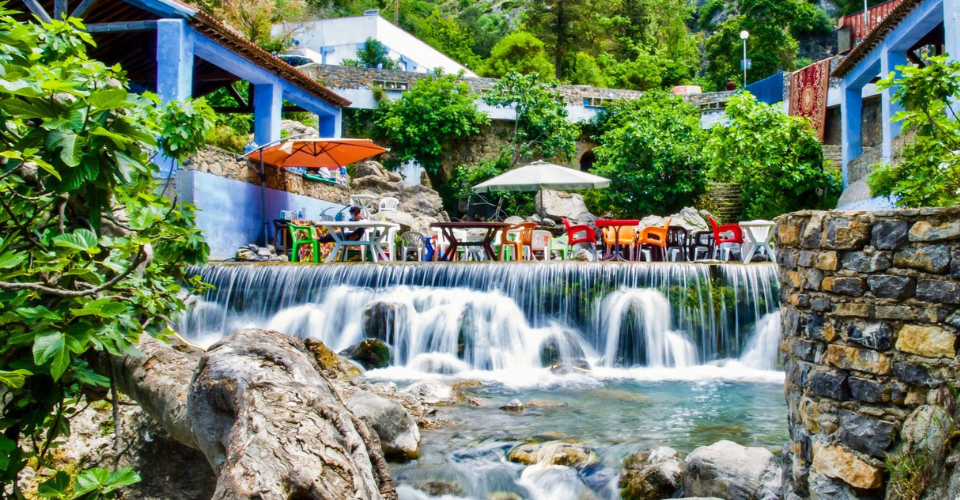
Ras El-Maa: Stream and waterfall at the medina’s edge—cool spot to pause.
Spanish Mosque viewpoint: Short hike with sweeping city vistas; best at sunrise or sunset.
Artisan shopping: Woven blankets, embroidered textiles, pottery, leatherwork, and cedar wood crafts.
Food to try
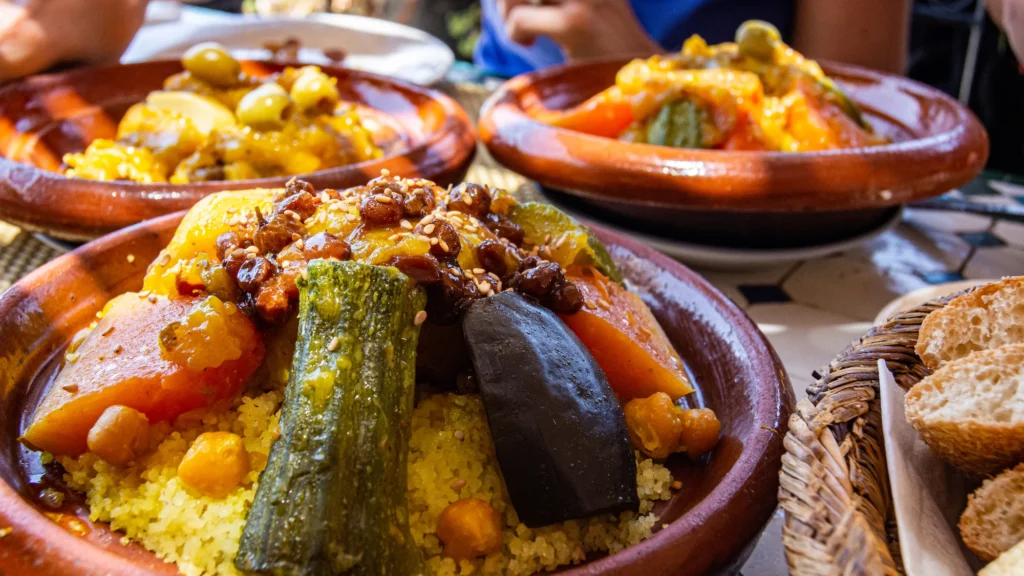
Tagines (vegetable, chicken, lamb), grilled meats, and fresh salads.
Local goat cheese with warm bread and olives—simple, regional, delicious.
Mint tea and freshly pressed juices on café terraces.
Photography tips
Early morning/late afternoon: Softer light makes blues glow without harsh shadows.
Explore side alleys: The most dreamy corners are often away from main lanes.
Be respectful: Ask before including people in shots; avoid blocking doorways and shop entrances.
Sample 2-day itinerary
Day 1: Arrive and settle in. Stroll the medina slowly, stopping for tea at Plaza Uta el-Hammam. Visit the Kasbah for views, then explore quiet side streets for photos. Sunset on a rooftop terrace.
Day 2: Sunrise hike to the Spanish Mosque for panoramic blue-city vistas. Late breakfast, then Ras El-Maa for a refreshing pause. Browse artisan shops; pick up light, packable souvenirs. Evening mint tea and a relaxed dinner.
Optional add-on: Akchour waterfalls day trip or a hike in Talassemtane National Park if you want nature beyond the medina.
Responsible travel
Support local artisans by purchasing directly from their shops.
Carry a reusable bottle and avoid single-use plastics.
Keep alleys clean; take photos and leave no trace.
Trip checklist
Dates and season chosen (spring/autumn for mild weather).
Transport plan from your previous city (bus, grand taxi, or private transfer).
Accommodation booked (preferably with a terrace and breakfast).
Cash budget prepared; power adapter and portable charger packed.
Modest, comfortable clothing and sturdy shoes.
Shortlist of must-see spots and café breaks.